What about pelvic floor therapy? Myofascial release is a beautiful way to address symptoms related to the pelvic floor. Hip pain, endometriosis, surgical adhesions, incontinence, tailbone pain, bladder leakage, painful intercourse, and infertility can all originate within tight fascia. Working internally and externally, myofascial release is very gentle, and differs drastically from standard pelvic floor therapy. With myofascial release the focus is gentle release of tight and painful areas knowing that muscles in the released areas have more powerful recruitment and are naturally stronger even before doing pelvic floor exercises. With myofascial release bodywork, there’s no digging, no rubbing, no yanking, or cranking, and nothing aggressive, ever. Your body is sacred and it should be treated as such! Internal pelvic floor treatment techniques are gentle and easier than a gynecological exam. A common response is “wow, I feel so loose and like my hip joints glide now!” (And that’s how it should be – not “oww!” and tensing in pain during the treatment session.
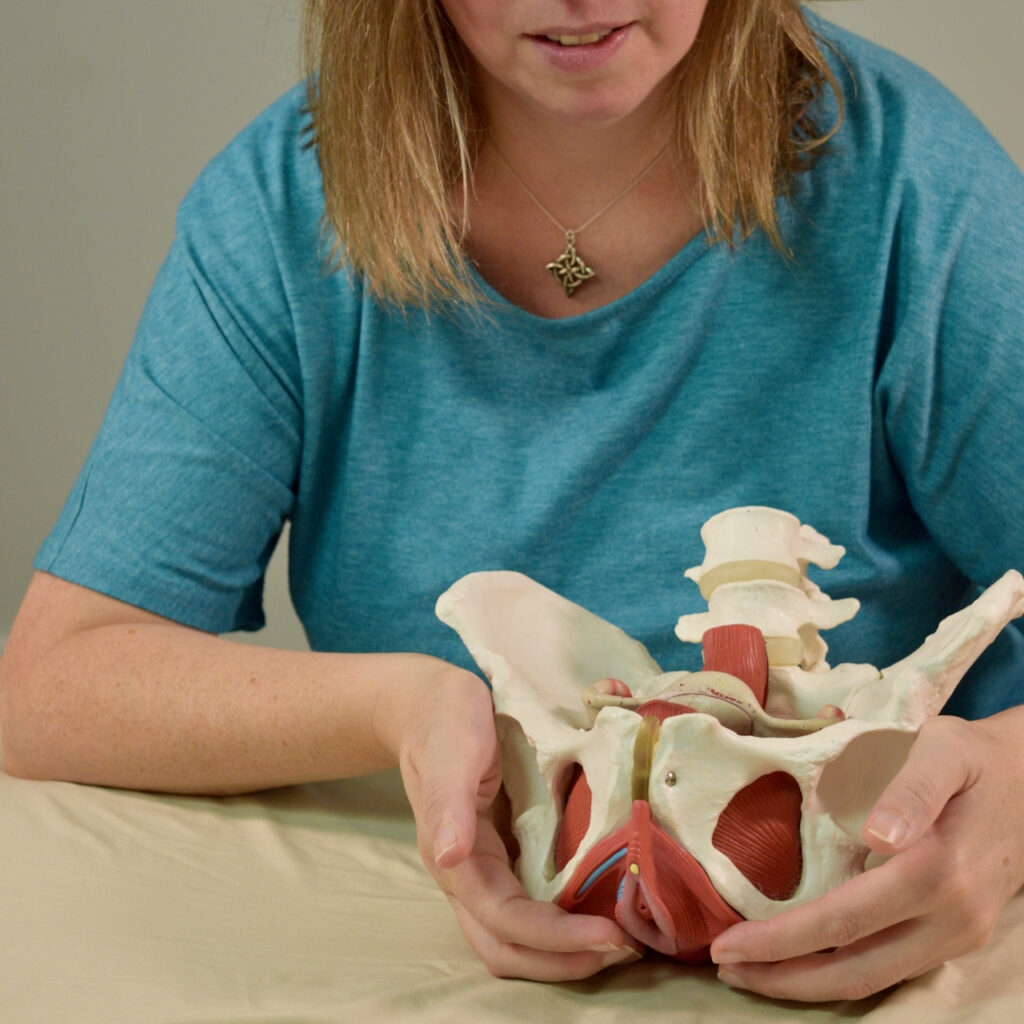
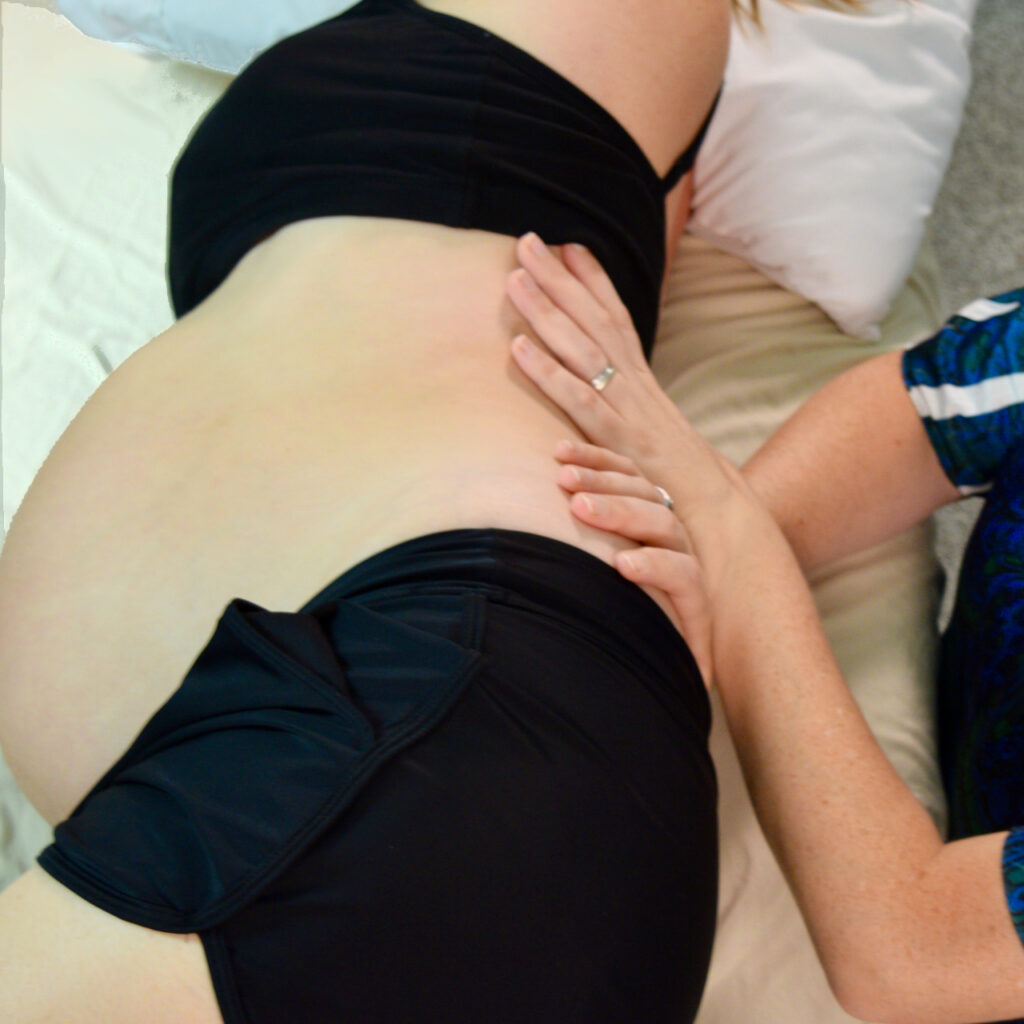
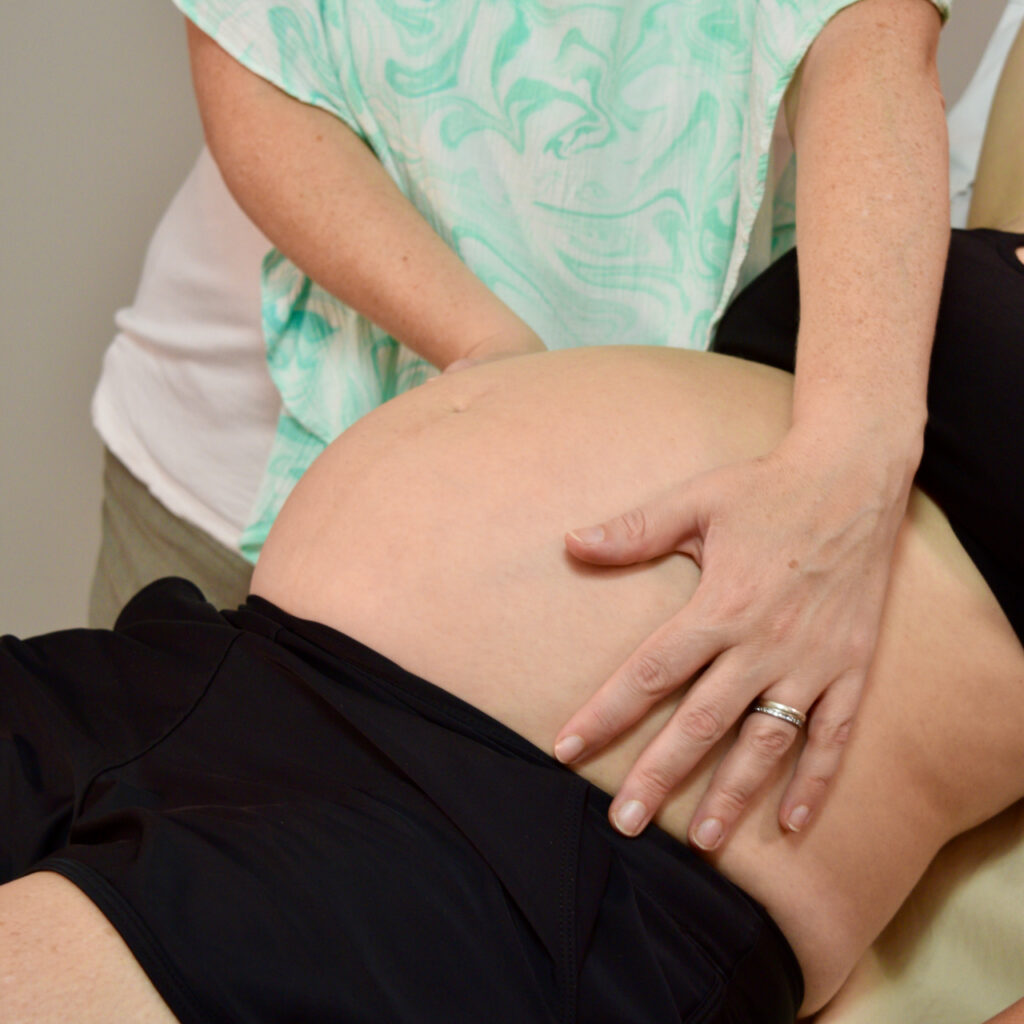
I’m pregnant. Can I receive myofascial release? Regardless of what trimester you are in, offering both you and baby the opportunity to clear out stress and tension and prepare your body for delivery is a beautiful way to support the pregnancy and delivery journey. Restrictions in the fascia surrounding hips and pelvis skew the alignment of the pelvic ring making it narrow and more difficult for baby to descend and birth. Mom is also at increased risk of vaginal and pereneal tearing if fascial restrictions are present. For moms journeying thru a VBAC experience, myofascial release is helpful for releasing adhesions in the old c-section scar for mom’s increased comfort level and baby’s enhanced maneuverability within the womb. Enduring pain, tension, sacroiliac dysfunction “until baby comes” is unnecessary. Your body is meant to be comfortable throughout all trimesters of pregnancy and this can be accomplished in most cases with myofascial release. Strategies presented within Spinning Babies developed by Gail Tulley are an excellent adjunct to myofascial release treatments in preparation for birth to learn how to prepare your pelvis for delivery as well as how to position your body during the delivery process to help baby navigate through the pelvis. Like Gail says, “it’s the mom’s responsibility to dilate but it’s the baby’s responsibility to rotate.” If the pelvic floor is tight and restricted or the pelvis is imbalanced, the baby has a more difficult time rotating to birth vaginally leading to increased risk of birth by C-section. Here’s the link to the Spinning Babies course for parents:
Bladder leakage if I’ve had a baby is normal, right? No, the body is designed to return to equilibrium and normal bowel and bladder function after birth. Sneezing or coughing is only a problem when the myofascial system is tight and exerting pressure on the pelvic floor. Whether you’ve recently birthed or birthed decades ago, pelvic floor myofascial release can help with leakage problems!
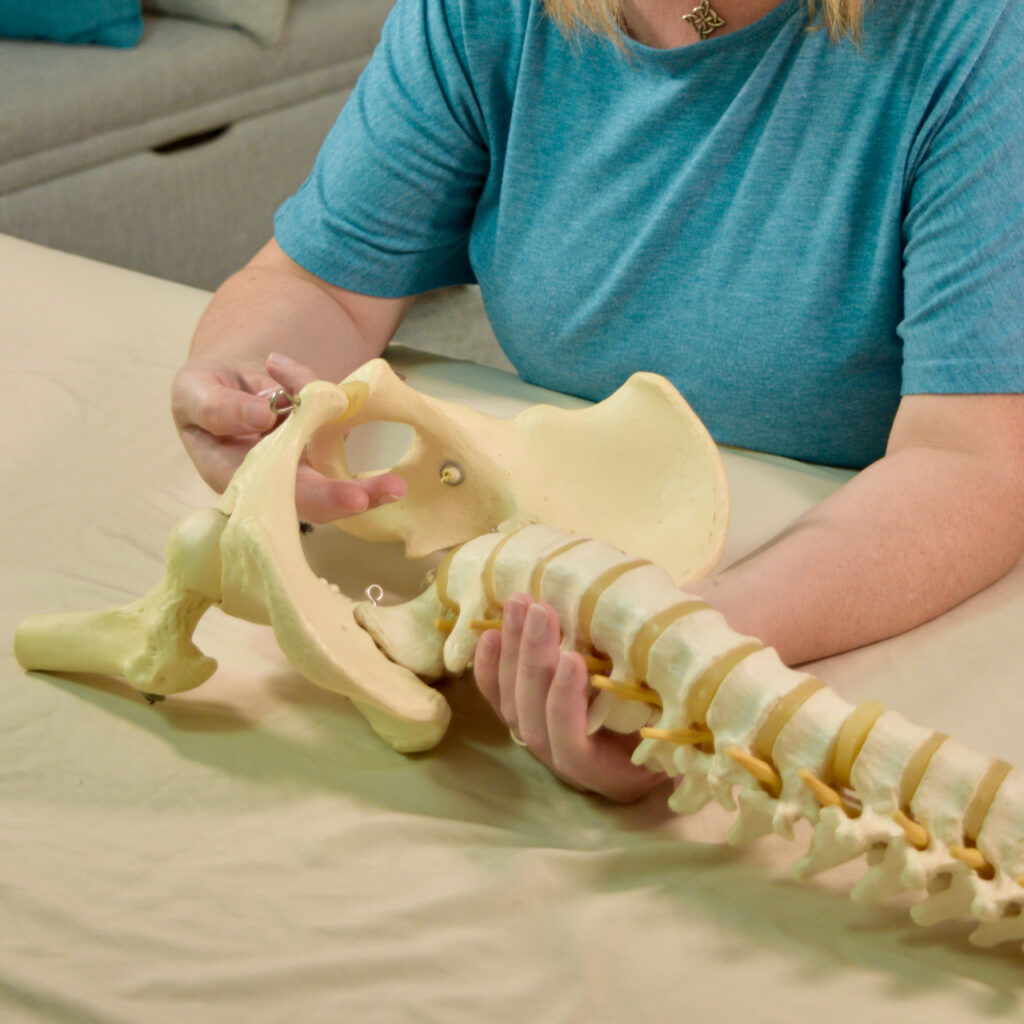
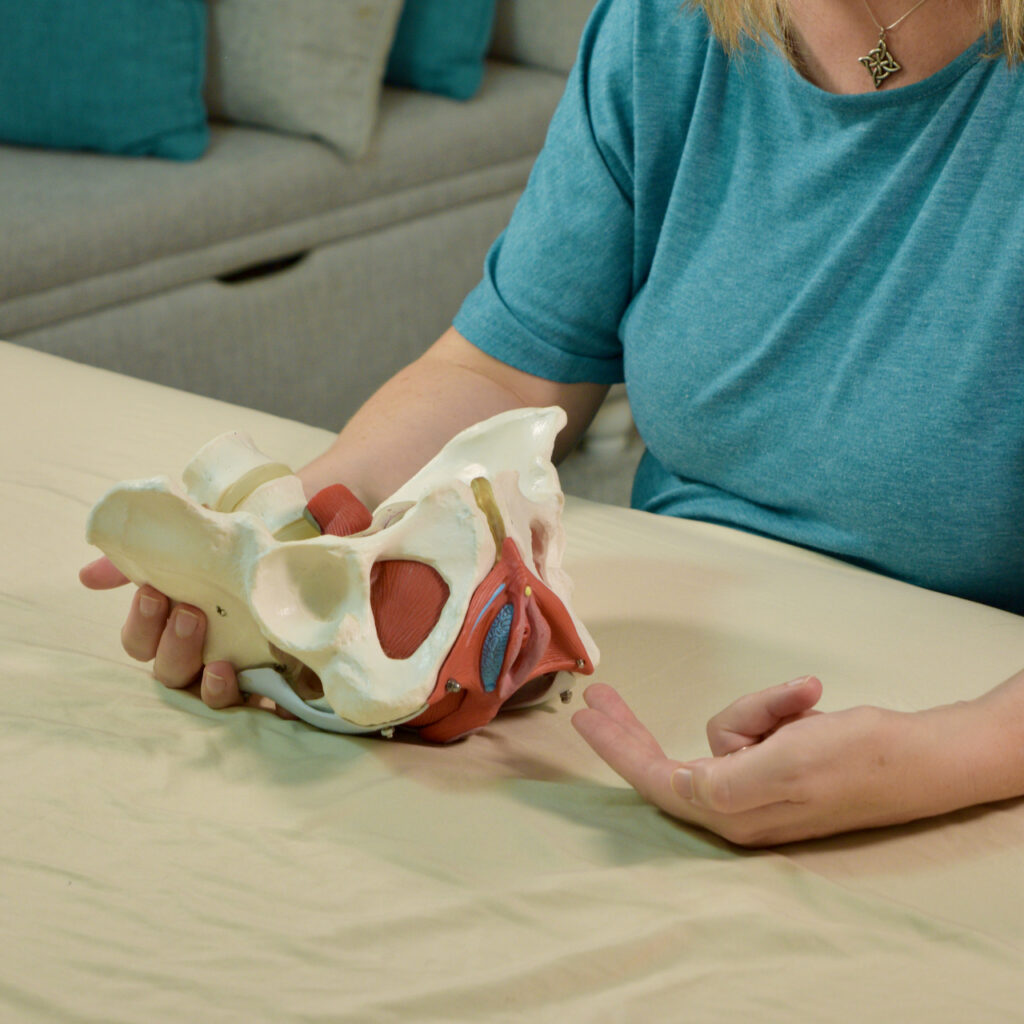
What do I do when intercourse hurts? This too can be symptomatic of myofascial restrictions. Whether there’s endometriosis, surgical abdominal scars, an episiotomy, or history of perineal tearing with birth, these traumas can lead to restrictions and imbalances of the pelvis even after the areas have fully healed. Restrictions within the fascia don’t show up on X-rays MRIs or scans so when there’s no medical explanation for persistent symptoms of pain, myofascial release is a great next step in your journey!